Showing posts with label Fish. Show all posts
Showing posts with label Fish. Show all posts


Pictures of arowana
Arowana is listed for sale for $ 2000usd

More information about arowana here: http://en.wikipedia.org/wiki/Arowana


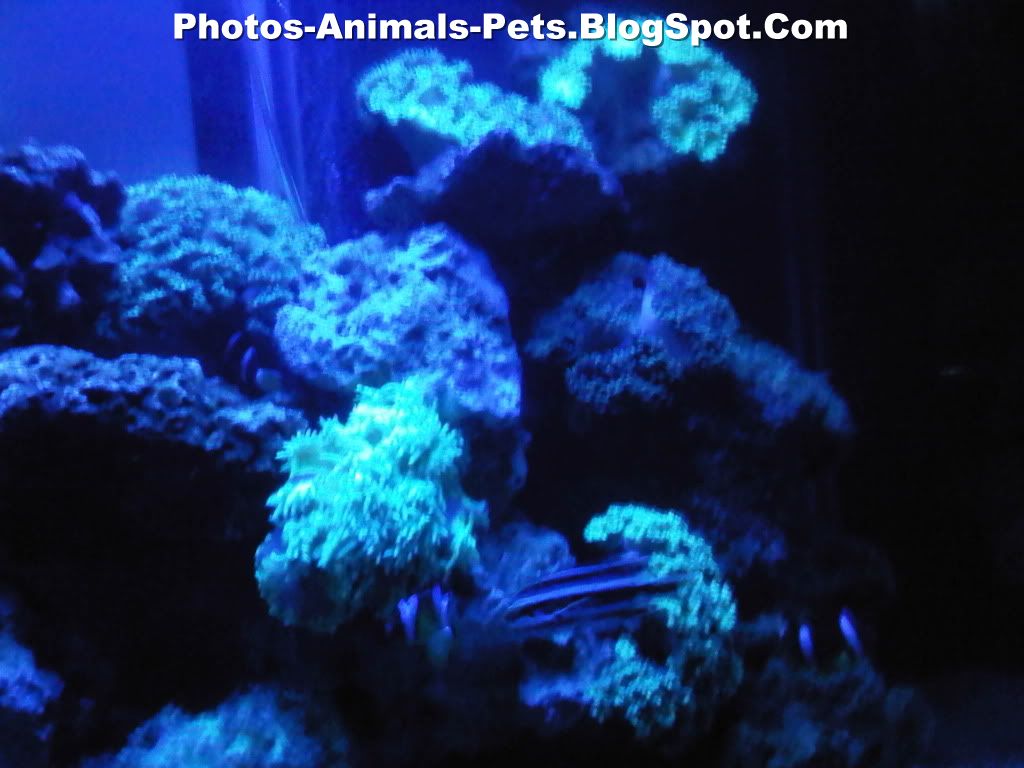
Zebra Shark

True Wild Life | Zebra Shark | The zebra shark is a medium-sized species of shark, that is found in the warmer coastal waters and around tropical coral reefs. Zebra sharks are most commonly found in the Indian and South Pacific oceans. Zebra sharks can grow to nearly 3 meters in length and can get to be 30 years old in the wild. Zebra sharks that are kept in captivity generally do not exceed 15 years of age. Zebra sharks can be identified by the yellow spots that are present on the back of the zebra shark.

Zebra sharks have a long, flattened body which helps them to remain unnoticed on the seabed. The zebra shark also has a long tail which allows it to be more agile in the water. Zebra sharks move their tails from side to side when they swim, in an eel-like manner.

Zebra sharks are omnivorous animals but tend to have a more meat-based diet. Zebra sharks feed on small fish, crabs, shrimp, snails and other small invertebrates along with squid and sea snakes which they forage for in the coral reefs.

Due to their relatively large size, zebra sharks have few natural predators as they are fairly dominant predators in their environment. Larger species of shark such as tiger sharks and bull sharks are the main predators of the zebra shark, along with humans who hunt them for their meat and fins. The female zebra shark lays an average of ten large eggs which hatch after an incubation period of around 5 months. The baby zebra sharks are nearly half a meter long when they first hatch.
X-Ray Tetra

True Wild Life | X-Ray Tetra | The X-Ray Tetra is a small species of schooling Fish that is naturally found in the Amazon River's coastal waters in South America. The X-Ray Tetra is also known as the Golden Pristella Tetra and the Water Goldfinch due to the faint golden colouration of their translucent skin. They were first described by Ulrey in 1894 and have since become one of the most popular freshwater Fish kept in artificial aquariums today. Although the X-Ray Tetra is the only known species in it's genus, it is closely related to other small and colourful South American Fish, including the nearly 100 other Tetra species.

The most distinctive feature of the X-Ray Tetra is the translucent layer of skin that covers it's small body, allowing the Fish's backbone to be clearly seen. The scales of the X-Ray Tetra are a silvery-yellowish colour that is very faint, looking almost golden in some lights. The X-Ray Tetra also has a re-tipped tail and strikingly striped dorsal and anal fins that are yellow, black and white in colour. This is a relatively small species of Fish that actually has a bony internal structure known as the Weberian apparatus, which is used in picking up sound waves, and contributes to their acute sense of hearing (this bony structure is also found in many of their relatives). Females are generally slightly larger and rounder than the more slender males, although the two are very similar in appearance.

Like many other small, colourful Fish, the X-Ray Tetra is a schooling species of Fish inhabiting the region between the bottom and middle of the water as a group. They are incredibly peaceful and are often tolerant of the other species that they share their habitats with. The X-Ray Tetra is one of the most adaptable species of Tetra as it is able to inhabit both fresh and brackish water happily, in both acidic and alkaline conditions. It is widely observed that those X-Ray Tetra that are kept in tanks, can change quickly from being peaceful to becoming skittish in the presence of larger, predatory Fish, with the same behaviour known to be displayed if the school size is not big enough.

During the rainy season. the X-Ray Tetra return to the flood-lands to spawn. Unlike many similar Fish who give birth to live young, the female X-Ray Tetra lays between 300 - 400 eggs by scattering them amongst the vegetation (when she is ready to spawn, the see-through skin means that her eggs can also be easily seen). X-Ray Tetra fry begin to hatch as early as 24 hours later, and become free swimming within a few days. Once able to swim, the small and dull white young, are able to find better food sources and soon develop their characteristic adult markings. X-Ray Tetra usually live for three or four years in the wild but can get to older ages in captivity.

Like many other small species of Fish that live in the Amazon River, the X-Ray Tetra is an omnivorous animal whose diet is made up of both animals and plants. X-Ray Tetra primarily hunt Worms, Insects and small Crustaceans that live close to the river bed and their fry tend to feed on Insect larvae. Although they are also known to supplement their diet with aquatic plants, they are predominantly micro-predators that feed on small invertebrates. In artificial communities, X-Ray Tetra need a variety of food sources including Brine Shrimp and Bloodworm alongside the standard flakes and pellets to ensure that they have a fully nutritious diet.

The Weberian apparatus (the bony structure) in the X-Ray Tetra's body works by transmitting sound waves through their vertebrate, that have been received by the swim bladder and are then taken to the inner ear, meaning that the X-Ray Tetra has excellent hearing. The transparency of their skin is thought to be a form of protection as predators find it much harder to spot them (along with their light yellow markings) amongst the dense vegetation, and shimmering water. Not only is the yellowish X-Ray Tetra popular in tanks, but an albino version of the species is also now commonly found in artificial communities worldwide.
Wrasse

True Wild Life | Wrasse | The wrasse is a typically small species of fish, found in the coastal waters of the world's major oceans. The Cleaner wrasse is the most commonly known wrasse species as it is often seen alongside other marine animals, including sharks. There are more than 500 different species of Wrasse found in the shallower coastal waters and coral reefs, of the Pacific, Indian and Atlantic oceans. Wrasse most commonly inhabit areas that have an abundance of both food and places to hide, making coral reefs and rocky shores the perfect home for the wrasse.

Cleaner wrasse are the most well-known wrasse species as they are often seen going into the mouths of large marine animals in order remove the dead material inside. Cleaner wrasse feed on dead tissues, scales and parasites that lurk inside the mouth of the larger animal, and few are actually eaten by the predator that they are assisting. Wrasse come in a variety of colours and sizes depending on the species of wrasse. Wrasse tend to be relatively small in size, with many species of wrasse being less than 20 cm in length. One species of wrasse however is enormous in comparison, growing to more than 2 meters long.

Wrasse are carnivorous animals that have thick lips with a row of teeth that usually face outwards. The mouth of the wrasse is protractile which means that it is capable of extending forwards. Wrasse feeds on a number of small invertebrates, small fish and food particles in the water. Wrasse are also known to follow large predatory fish, eating the trail of left-overs that it leaves behind it. Due to their small size, wrasse have numerous predators in their natural environment including larger fish, such as lionfish, dogfish and barracuda and wrasse are even eaten by some smaller species of shark.

Wrasse are known to live for a relatively long-time particularly for their small size. Wrasse mate by releasing their eggs and sperm in to the water, which are fertilised and become part of the plankton until they are big enough to join the reef. Female wrasse lay thousands of eggs at at time so the wrasse population numbers are relatively high.
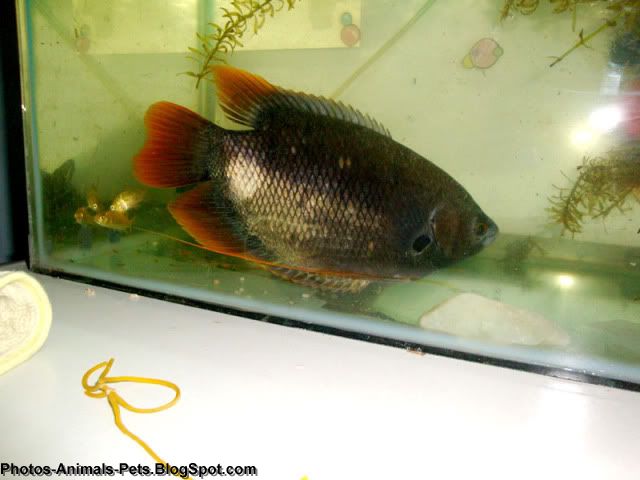

Fish images

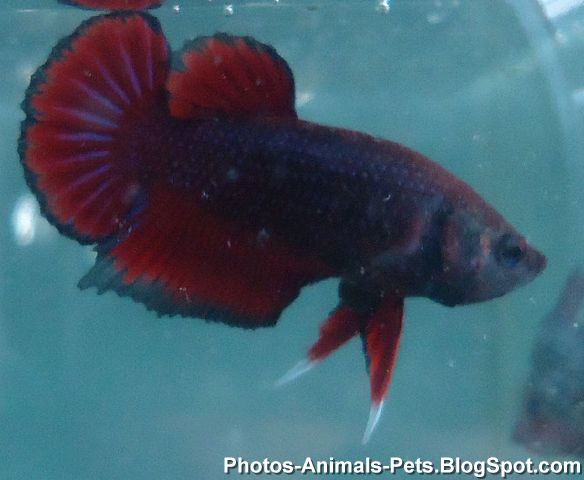
This fish has the scientific name Betta splendens , also known as "beta-fish" or "betta" ,is one of several species of ornamental fish (pet fish), the most common freshwater , originate from Thailand and Cambodia
more at: http://en.wikipedia.org/wiki/Siamese_fighting_fish
more at: http://en.wikipedia.org/wiki/Siamese_fighting_fish
.




Subscribe to:
Posts (RSS)


